
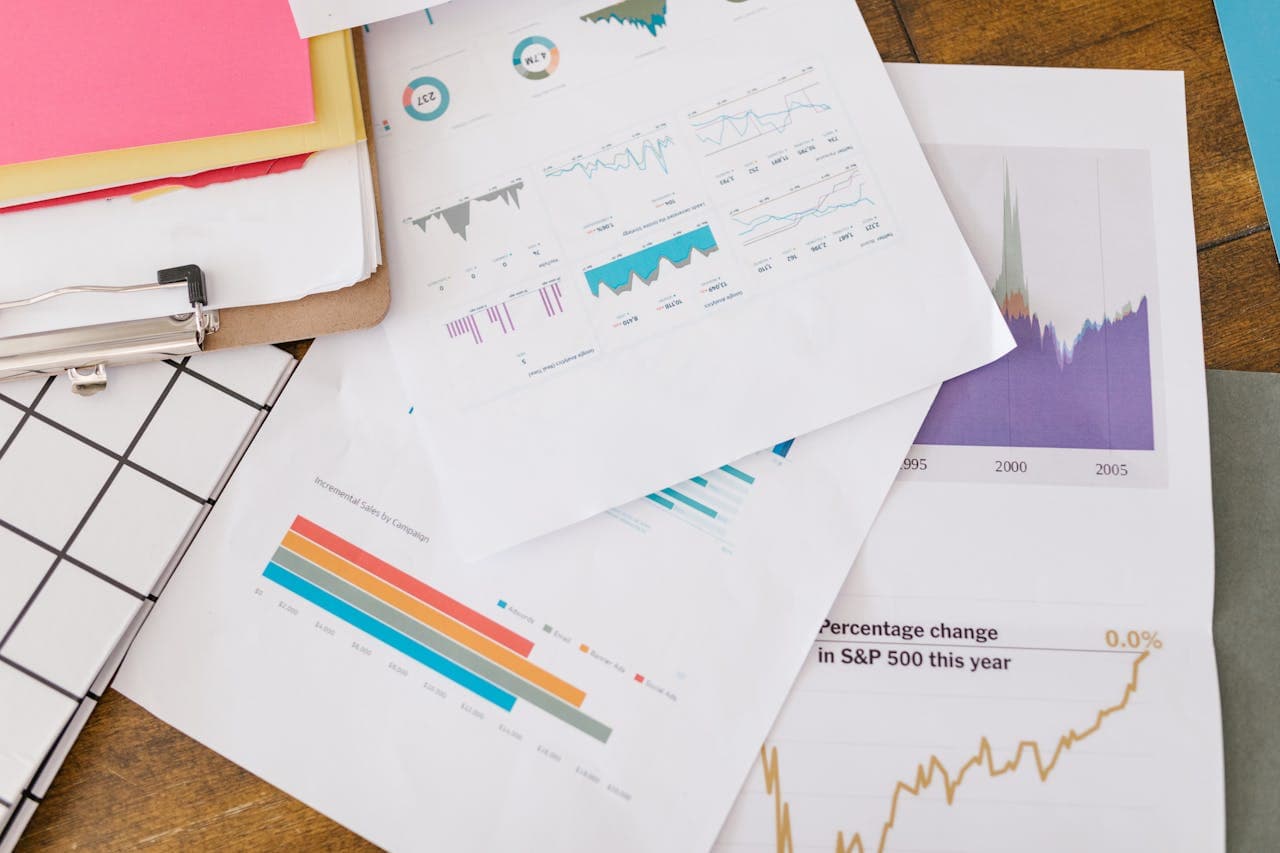
We have all been in those meetings where someone asks for numbers, and three different people bring up three different reports. By the time we find the right one, the conversation has drifted or the decision gets delayed. When data is scattered or hard to read, progress slows down.
That is why more teams are turning to one simple solution that pulls information together in a way people actually understand. A good data visualization dashboard takes all the noise and brings key insights front and center. When we can see trends in real time, decisions get made faster, and the team stays on the same page.
But what really sets a team apart is how smoothly information flows day to day. Relying only on scattered spreadsheets or individual reports puts a drag on work. Even if one or two of us can piece things together, it is tough to get everyone moving in the same direction without a single, trusted resource to check. The frustration of waiting, or second-guessing updates, disappears when the details everyone needs are one click away.
Why Teams Slow Down Without Clear Visuals
It is not that teams do not want to move fast. It is that they cannot when the data gets in the way. We have seen what happens when reports come from too many places. It becomes a guessing game. People question what is current, what is accurate, and what to trust.
When someone opens a spreadsheet packed with raw numbers or columns that go on forever, it takes time just to figure out where to start. That slows everything down. It is easy to miss something important or waste time double-checking work that has already been done.
Even the most focused team will hesitate when they are not confident in the data. Decisions take longer. Mistakes happen. Meetings pile up just to get everyone caught up. Without clean visuals to guide us, projects stall or head in the wrong direction.
We often hear about teams doing double work just to stay current. Someone makes a report, then another version appears a little later. People scramble to match things up before the next meeting. Instead of solving real problems, we are just trying to stay afloat in the information flood.
What a Good Dashboard Looks Like
Not every dashboard helps. A good one should feel like a window, not a wall. Clean design matters. Information should be grouped in ways that match how people think, whether it is by team, goal, or time period. Updates should reflect what is happening now, not last month.
A clear setup saves time and helps different roles focus on what they care about most. What a manager needs to see will not always match what a designer needs. Good dashboards know that and adjust the view accordingly.
A dashboard becomes most valuable when it softens the learning curve for new team members, too. Instead of a long orientation, new folks can follow color cues or layout patterns that feel natural and guide them to the top priorities right away.
That is where a strong data visualization dashboard stands out. It keeps focus on what we actually need to see, not everything at once. The right visuals help spot problems before they grow. Instead of getting buried in numbers, we get clarity that helps us act with confidence.
When a good dashboard is in play, the changes in company goals, daily shifts, and longer trends start to connect. The design does not overwhelm with extra detail but reshapes what we see into categories that are easy to follow. This way, everyone learns faster, adapts better, and feels more invested in team results.
Anlytic’s dashboards automatically update with live data from all your major business sources, giving teams an always-current view without manual steps. With customizable visualizations, each department can see what matters most, from KPI trends to real-time alerts, geared to daily needs.
How Dashboards Support Smarter Team Moves
There is a reason we check the dashboard before we start our day. When the data makes sense at a glance, we can move faster. Managers can step in early when something looks off. Staff can see what is working and keep it going.
A well-built dashboard does not just show the final numbers. It reveals patterns. It lets us catch changes while they are still small and gives us time to respond. Whether that means adjusting a goal or making a quick shift, the sooner we know, the better we can act.
Sometimes it is easy to overlook gradual changes, but with the right visuals, even small trends stand out. This gives the team power to have thoughtful conversations based on facts, instead of hunches or hazy memories. We no longer have to wait for a monthly report to identify why a project needs attention.
Anlytic’s platform provides automated recommendations and AI-powered insights, so action items become clear and the team can respond quickly, rather than wading through static reports.
We have avoided last-minute scrambles more than once just by catching a number that did not look right. Visual cues like color changes or simple charts help us stay proactive instead of reactive. Everything ties back to one goal: better choices made sooner.
With more teams working in different places or time zones, dashboards are even more useful. Updates appear for everyone, wherever they are, and confusion is limited as questions get solved on the spot. Smart dashboards fit into daily work, not just big planning moments.
From Daily Check-Ins to Big-Picture Planning
Dashboards are not something we only glance at in big meetings. They are part of how we run things every day. Quick morning huddles, weekly reviews, or monthly planning all come back to the same set of visuals. They replace guesswork with facts.
For everyday use, they help track to-dos and short-term goals. For bigger plans, like launching new products or reviewing quarterly progress, they pull together the full view. That balance is key. We need to keep a pulse on the day-to-day while still thinking about what is ahead.
Dashboards create a steady habit of paying attention. The simple act of checking for updates each morning leads to thoughtful planning for the days ahead. Instead of only noticing a concern when it has become urgent, we catch issues when they are still easy to fix.
Over time, dashboards help shape habits. We find ourselves checking progress more often, talking through updates with better focus, and reacting faster when things shift. It becomes a shared rhythm across roles and departments.
And as leaders or team members rotate in or out, having a shared dashboard helps keep everyone in the loop. No one is left out when transitions happen. This even supports team culture, building trust that we are all seeing the same story and moving toward the same goals.
Clear Data, Confident Steps
When we rely on a clean, consistent dashboard, everything starts to move more smoothly. The confusion fades. People stop second-guessing. Teams align faster, and work gets unstuck quicker.
Having up-to-date information we all understand removes a big hurdle. It is easier to take the next step and feel good about doing it. Fewer questions, less rework, better pacing. It adds up.
Staying focused and moving fast does not mean rushing. It means seeing the road ahead clearly. When we have that, the whole team moves with steadier, more confident steps.
Ready to boost your team’s efficiency and make daily updates a breeze? With a well-built data visualization dashboard, tracking progress, catching issues early, and staying aligned becomes effortless. At Anlytic, we keep everything clear and straightforward so your team can focus on what matters most. Contact us today to get started.
