

 Manufacturing
Keep Production Moving Without the Manual Overhead
Automate the repetitive, manual work that slows manufacturing teams down — from quality investigation to equipment monitoring — using live production data and workflow-level automation.
Real world application
Immediate Real World Application
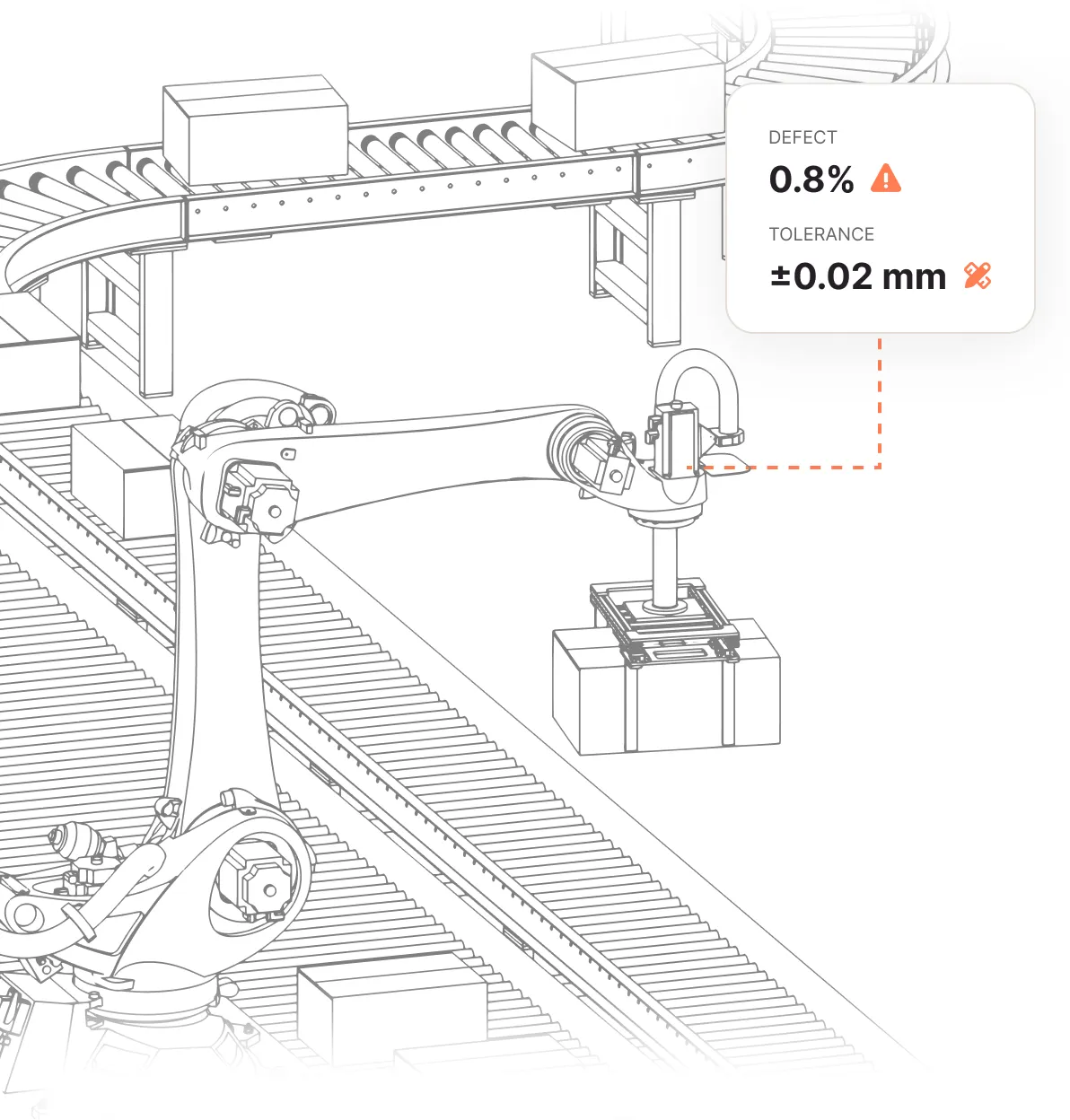
Quality Control & Root-Cause Investigation
Defects slip through, and identifying the cause requires manual analysis across multiple systems and data sources.
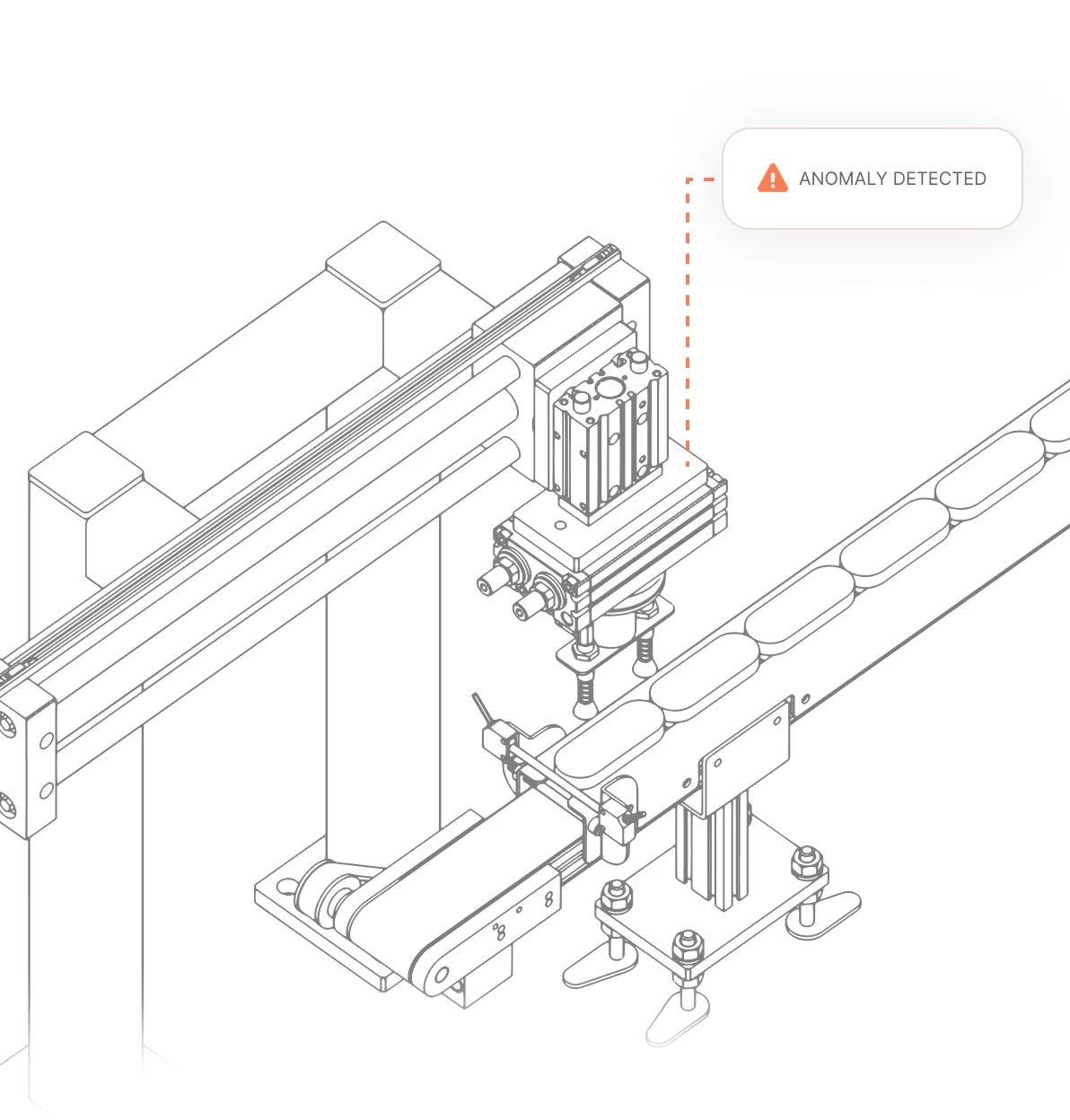
Equipment Monitoring & Anomaly Detection
Early warning signs of equipment issues are buried in streams of machine data and alerts.
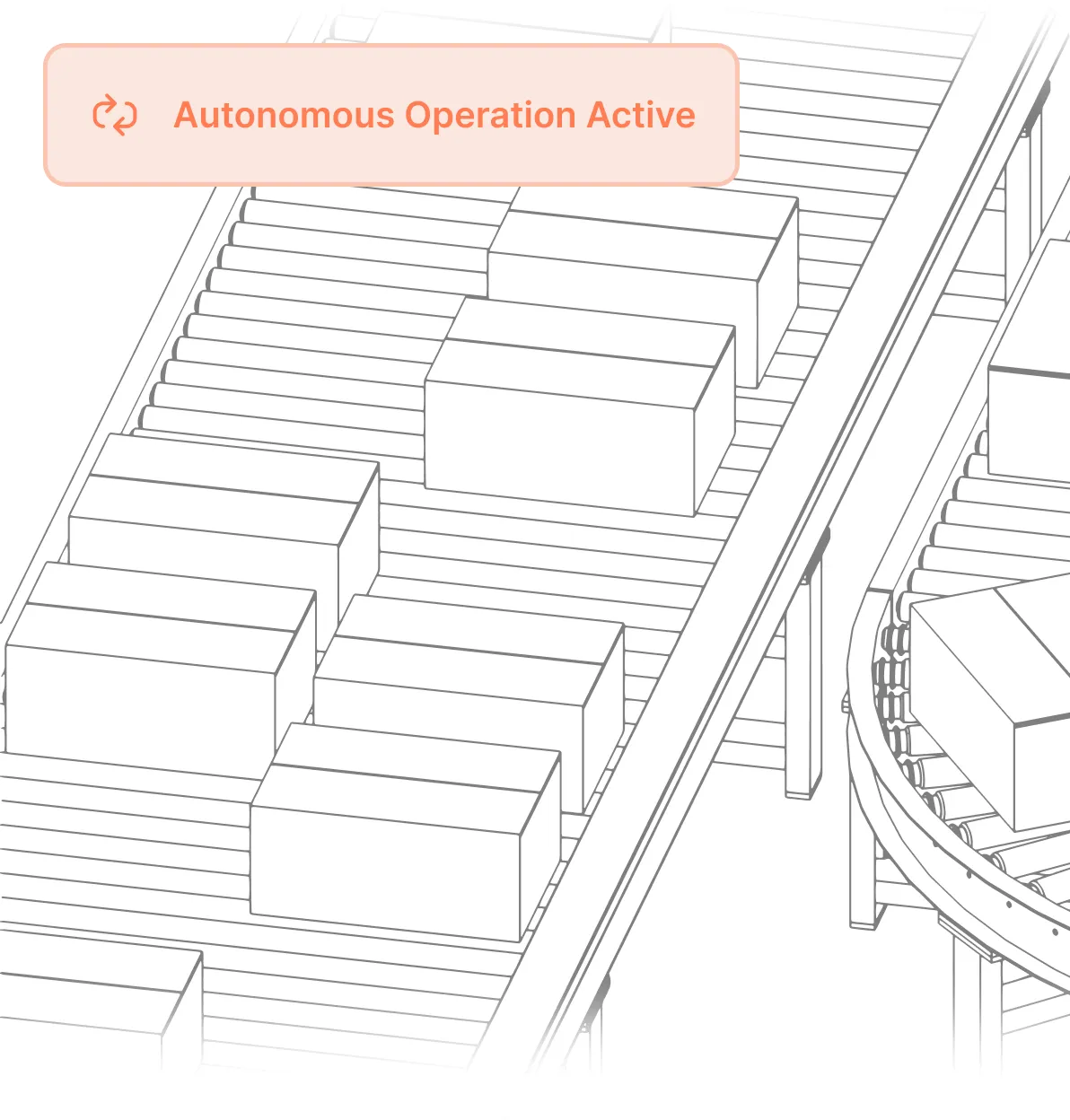
Dark Factory Operations Support
When production runs with minimal staff on-site, small disruptions can escalate into major stoppages.
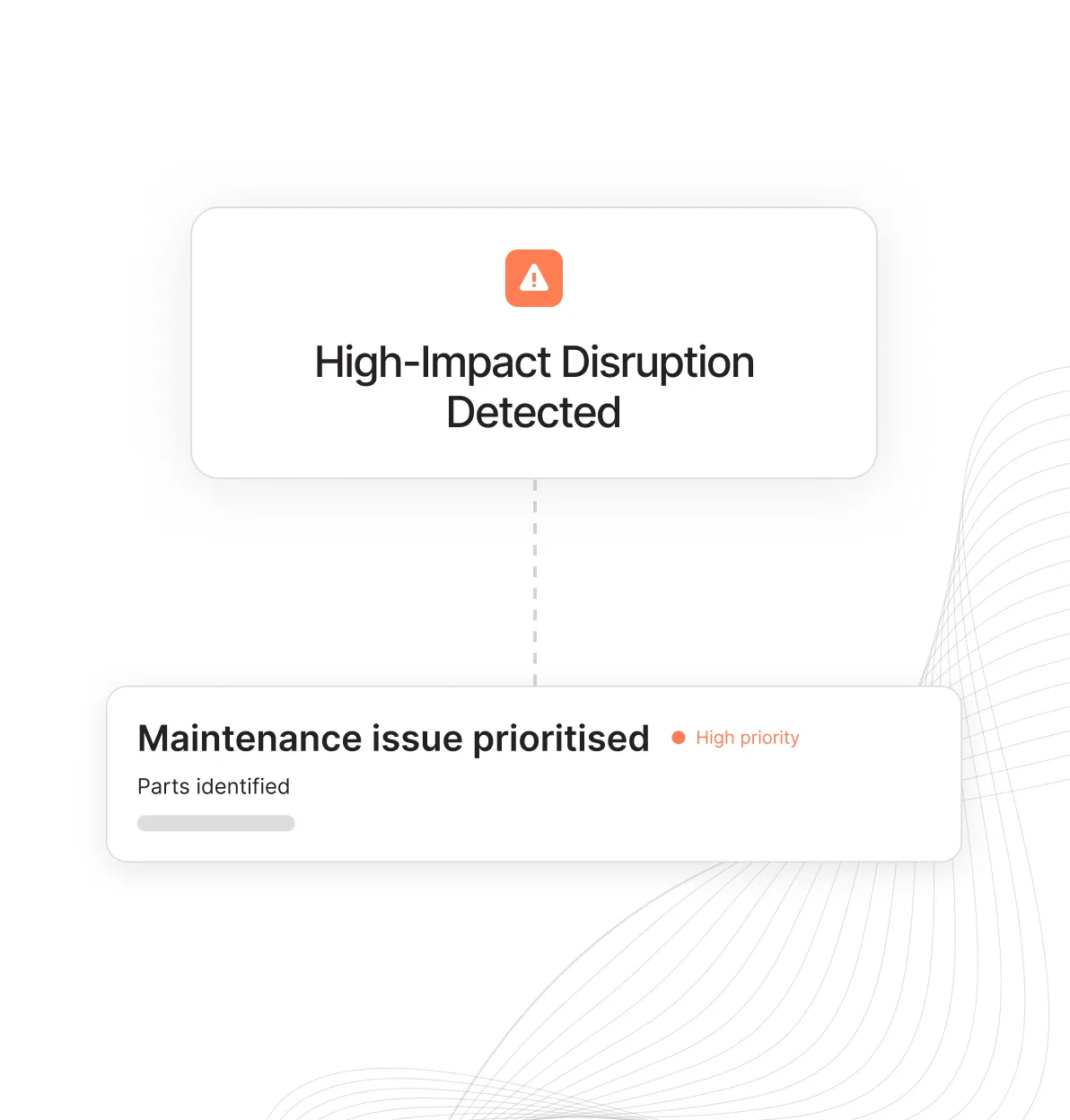
Maintenance Planning & Issue Triage
Maintenance teams are overwhelmed by alerts and reactive work orders with limited context.
When Something Goes Wrong, Data Isn't the Bottleneck – Time Is
Modern factories generate huge volumes of data from machines, sensors, vision systems, and production platforms. But when defects or anomalies appear, teams still spend hours manually pulling logs, comparing parameters, and piecing together context before they can act. Anlytic helps manufacturing teams move beyond monitoring and reporting by automating the investigation, preparation, and response work that happens after something changes — so engineers and operators can diagnose issues faster and keep lines running.
Impact
What Manufacturing Teams Gain
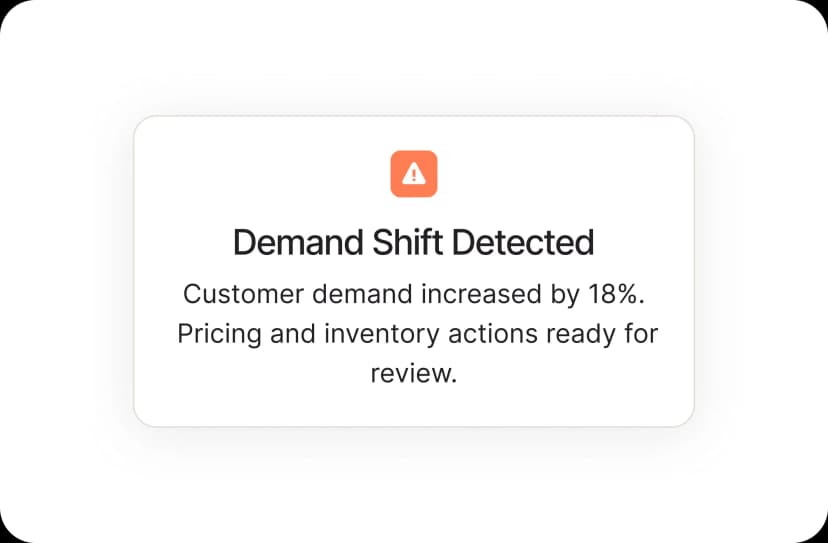
Faster Issue Resolution
Reduce the time spent diagnosing quality and equipment problems.
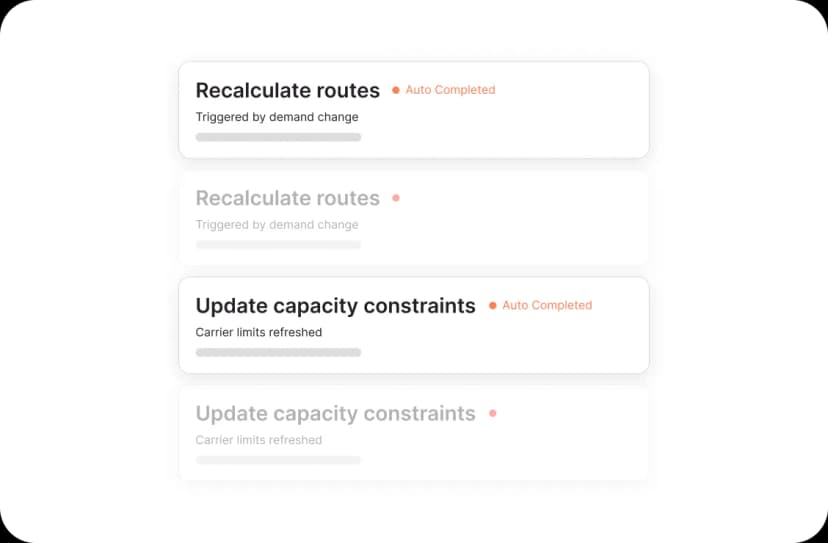
Less Manual Investigation
Remove repetitive data gathering and comparison work from engineers' plates.
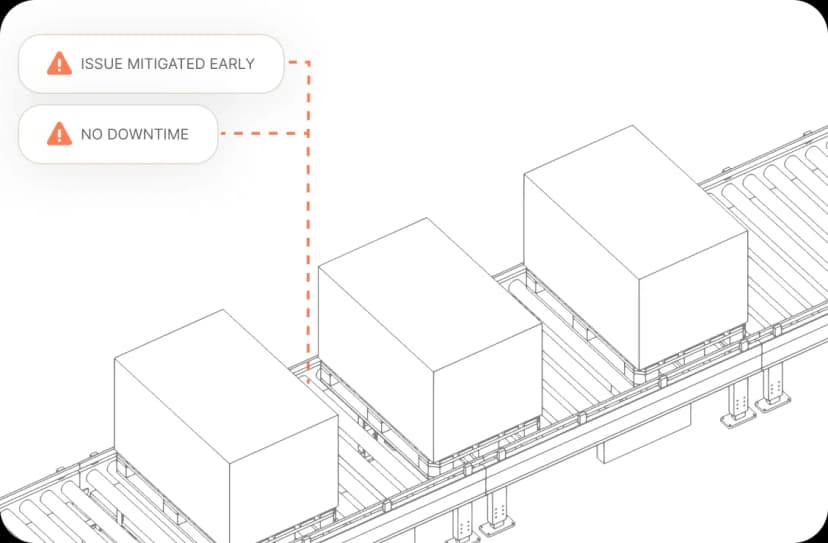
Higher Line Uptime
Detect and respond to issues before they disrupt production.
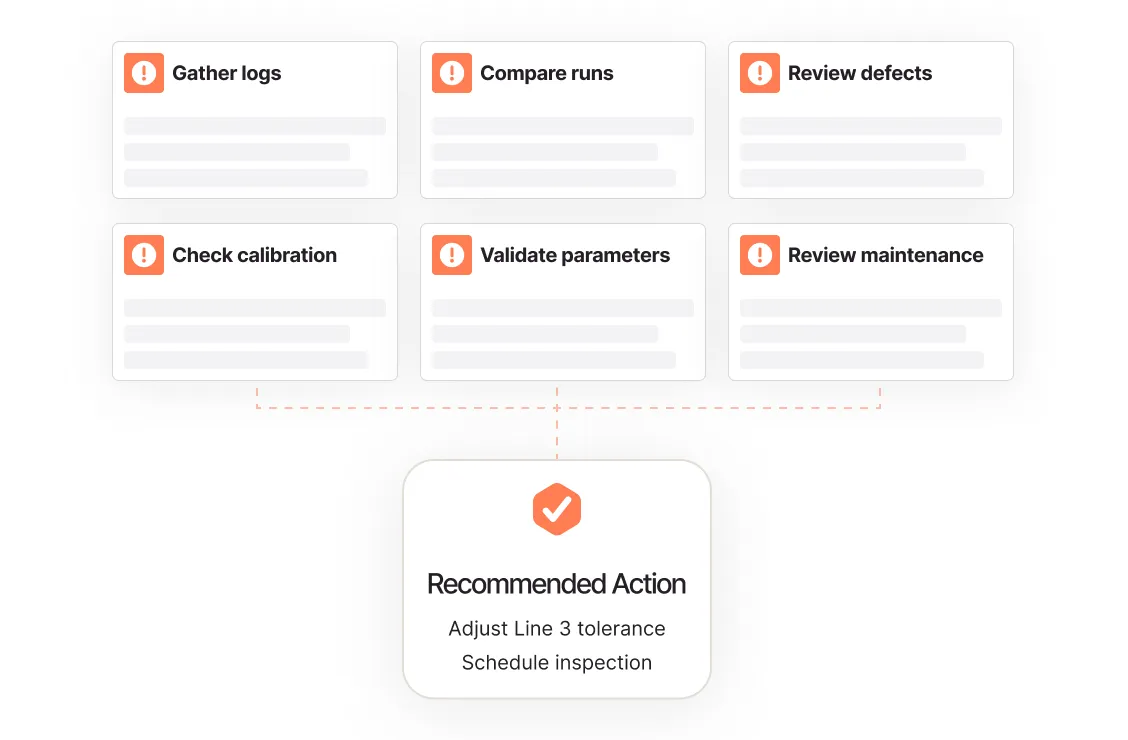
Better Use of Expert Time
Allow specialists to focus on decisions, not data collection.

Get Started
Start Small. Expand Where It Works.
Teams typically start with one workflow — quality investigation, equipment monitoring, or maintenance triage — and expand as value becomes clear.