When people head out for holiday break in December, work doesn’t always stop. Projects often keep moving, even if the people running them step away. That can make for a tricky few weeks. If no one is around to notice when something changes or breaks, small problems can bubble up fast. Before long, teams return in January to a pile of tasks that need cleaning up before new work can begin.
That’s where having the right tools in place before time off begins can really help. When we're using dependable tracking, issues get flagged automatically. Everyone can see what’s still humming along and what needs checking. This is where a good setup with data monitoring software can keep things running steady, even when a lot of people are offline. It takes some of the pressure off both before the break and when we're getting back.
Why Work Slows Down During Time Off
Every December, the pace of work changes. Between vacations, personal days, and last-minute time off, it’s common for teams to be short a few key people. That’s expected. But if we’re not prepared for it, things can get stuck quickly.
- A handoff might be missed when someone doesn’t know who’s picking up a task
- Emails may go unanswered because the right person is away
- Questions get delayed, slowing down whole projects
When there’s less staff around, the details become more important. If an update doesn’t get shared properly or a number gets entered wrong, it might go unnoticed until someone returns and sees something’s off. Then we’re spending time digging into what went wrong instead of moving forward.
On top of that, December tends to be a busy month, with different deadlines piling up just as people are stepping away. Some projects are set to finish before the new year, while others are just starting to ramp up, meaning missed details can throw off more than one timeline. Sometimes teams try to speed up in the days before vacation, which can leave things overlooked or incomplete. The ebb and flow of schedules adds another layer of uncertainty. It all adds up to a time when simple miscommunication or a forgotten update can cause much bigger slowdowns than usual.
How Always-On Tools Fill In the Gaps
When we aren’t able to check in ourselves, it helps to have systems that never stop watching. Data monitoring software keeps track of what’s happening across our tools and systems, even overnight, over the weekend, or through the break.
- If something stops working or drops below a threshold, alerts go out
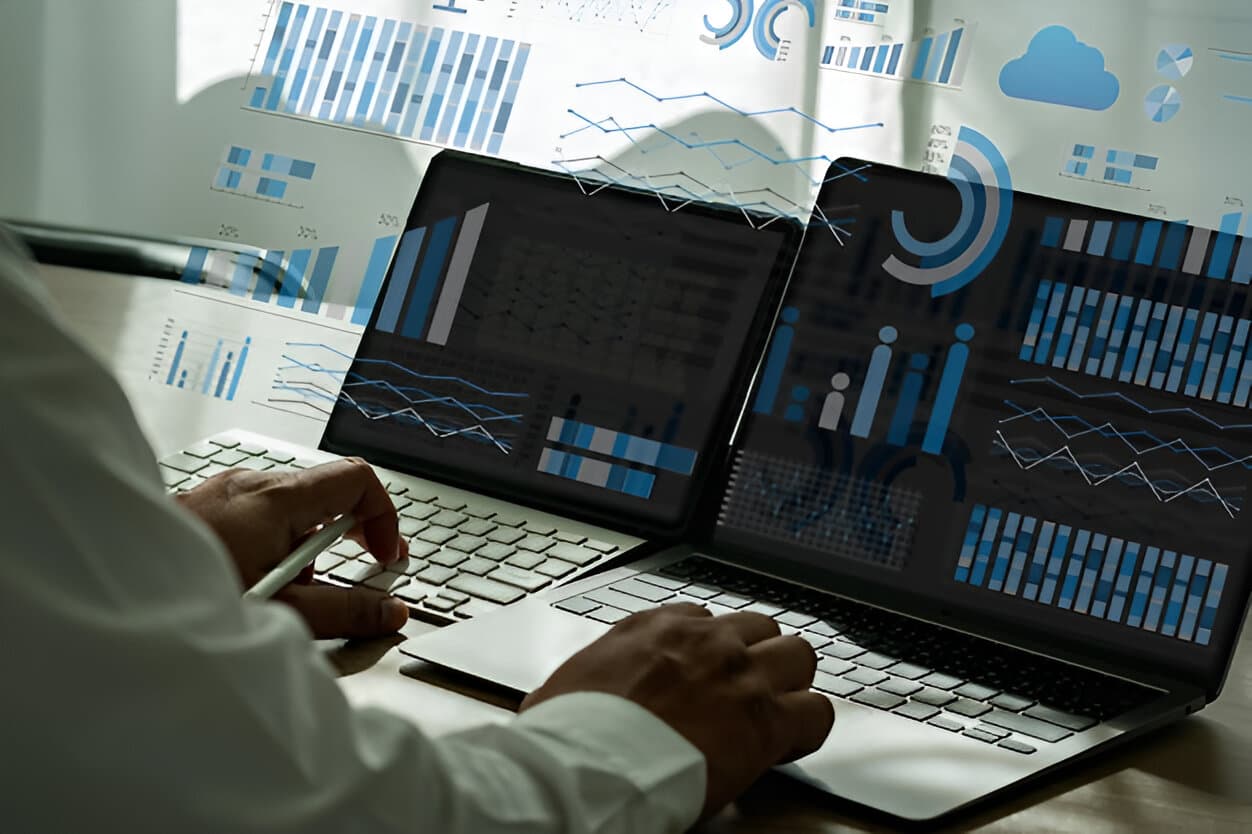
- Dashboards help us see trends that might need attention
- Team leads can stay looped in, even on light check-in schedules
When we return from time away, we’re not guessing what happened. We have the logs, the alerts, and the updates in one place. That means fewer surprises and less back-and-forth trying to re-create the timeline. We can focus on picking up where things left off without having to waste the first week catching up.
Anlytic’s AI Command Centre can connect to multiple sources, including Salesforce, HubSpot, Google Analytics, and more, centralizing data alerts and updates across every department so holiday activity never falls through the cracks.
This constant monitoring acts like an invisible safety net. While everyone is away, the tools are working behind the scenes, watching for anything even slightly out of the ordinary. Sometimes issues are small, like a file that was not uploaded, or a task that did not get marked as done. Other times, a process might stop altogether, which can have much larger effects on ongoing work. By catching these issues as they happen, rather than days later, the system helps teams react quickly, no matter who is physically present in the office. This means the office can operate with fewer risks, knowing nothing is slipping through the cracks unnoticed.
Making Handoffs Easier for Everyone
Stepping away from work gets a lot easier when you know someone else is keeping an eye on things, or when the data itself helps tell the story. A shared dashboard helps us hand off tasks without needing a long meeting or briefing. Everyone can log in and see exactly where things stand.
- Checklists and timelines in one system make it clear what’s left
- No need to chase down updates when the tool already shows progress
- Fewer questions come up because the answer is already visible
When schedules change and people trade coverage days, this kind of visibility becomes even more helpful. We don’t have to wonder if a report went out or a file got uploaded. The system shows it. Over time, this makes it easier for anyone to jump in without fear of missing something.
Anlytic lets users set up automated alerts, track project checklists, and assign task visibility so every team member knows exactly what needs attention even if ownership rotates over the holidays.
A good dashboard also reduces the need for those long email threads that can get lost or ignored in an overflowing inbox. When tasks, timelines, and ownership are all tracked in a single system, there’s less confusion and fewer missed connections. If someone from another team needs to help out while you’re away, all they need to do is check the dashboard to see not only what’s next on the list, but also which steps have been completed and what roadblocks might be waiting. This shortens the learning curve, lets teams share updates in real time, and keeps everyone on the same page, which is especially useful when the usual routine gets thrown off by holiday schedules.
The Payoff in January: Less Scrambling, More Focus
The week after a holiday break can feel messy. Teams are back in their regular routines, goals for the new year are getting finalized, and there’s pressure to hit the ground running. It helps a lot when you’re not walking into a backlog of issues or confusion.
- Automated logs tell us what happened while we were away
- The team spends less time asking questions and more time doing new work
- Fewer problems from December carry into January, so planning stays on track
If we’ve been watching our systems the whole time, without needing to be glued to a screen, we don’t have to pause everything to fix old problems. That puts us in a stronger position to focus on what’s next instead of playing catch-up. It frees up mental space and reset time that matters more than it may seem.
There’s also the relief of knowing that missing a day or two doesn’t mean coming back to chaos. When teams see their tasks clearly in a dashboard, they can quickly sort through priorities, follow up on anything that needs attention, and start planning for the next phase of work. No one likes coming back to a mess or having to dig through disorganized files just to figure out what’s been missed. The smoother things are set up beforehand, the easier it is to keep momentum going into the new year.
Staying Ready Through the End of the Year
Keeping things smooth during a break doesn’t require major changes. It’s usually about planning ahead and having clear visibility into how work flows without real-time oversight. When people are out, having a backup isn’t just about another person, it can be about having systems that don’t pause.
Data monitoring software does exactly that. It fills in the gaps when people are offline. It helps flag what’s important before the break turns into a setback. As the end of the year approaches, that kind of support can be the quiet difference between a stressful return and a smoother start.
Keeping work steady over the holidays is easier when our systems are closely monitored, even if team members are away. Staying on top of the details now helps us manage the bigger picture with fewer surprises in January. At Anlytic, we use the right tools to avoid roadblocks and maintain clarity year-round. To see how our approach to data monitoring software keeps us ahead, reach out and let’s discuss what could be a good fit for your team.