
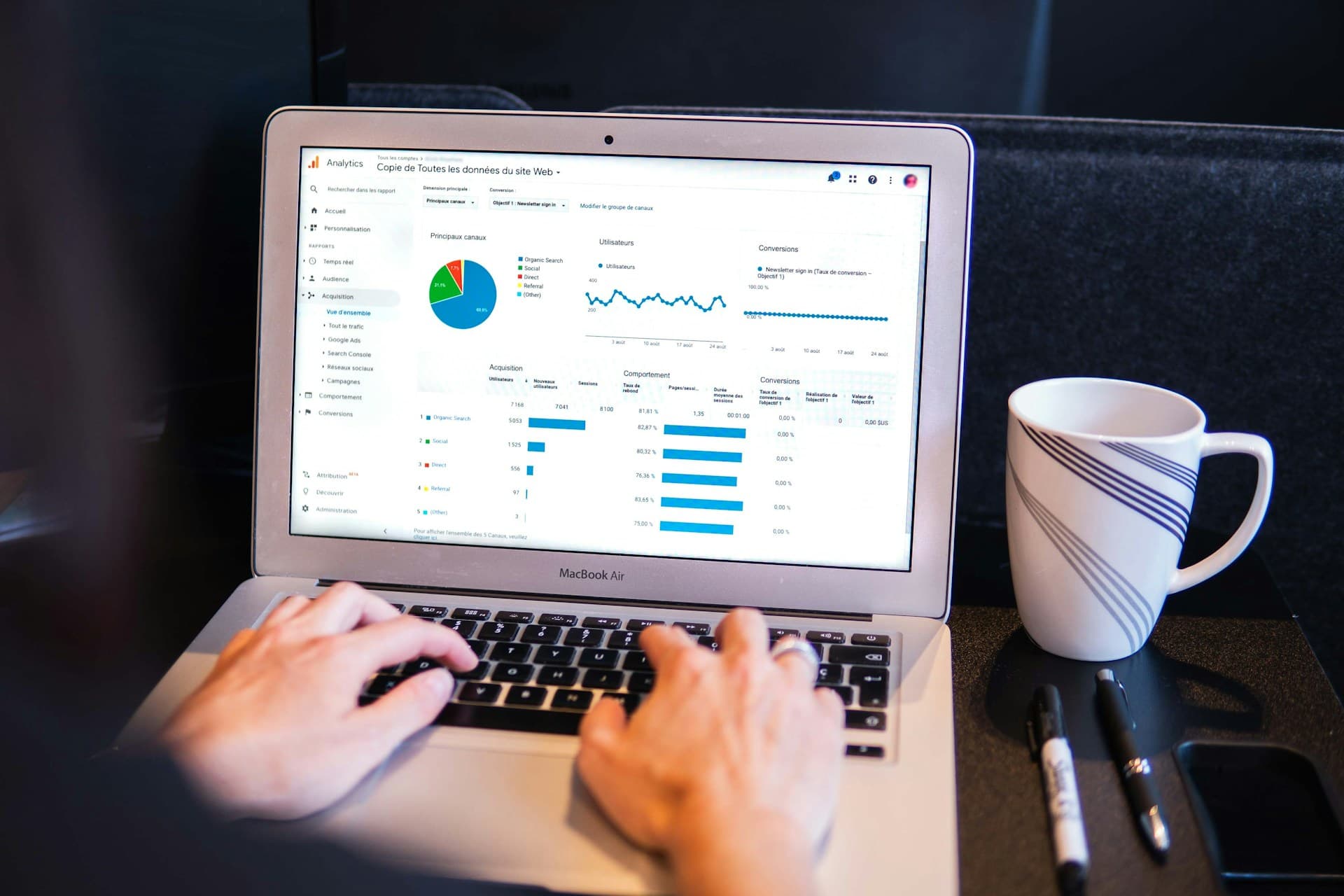
Most business reports look polished enough. The charts are there, the numbers are lined up, and everything seems in place. But when teams sit down to review them, something often feels missing. The data is there, but the meaning isn't always clear. People walk away with more questions than answers, or worse, no real direction on what to do next.
That's where better data reporting software comes in. The right tools can take the guesswork out of the process and help teams move from just reviewing numbers to actually understanding what they mean. In the next few sections, we'll talk through what makes reports feel flat and how smarter reporting tools can make everything easier to understand, quicker to use, and more helpful for everyone.
When Reports Don't Tell the Full Story
We've all seen reports that look complete on the surface but feel like they're missing something underneath. The numbers might be accurate, but they don't explain what's driving them or what they mean in context.
- When reports aren't structured clearly, it takes extra time just to figure out what's being shown
- People may have to re-read sections or look elsewhere for missing details
- Vague data can lead to repeated questions, slowing down meetings or follow-ups
Reports that aren't clear from the start leave people with more confusion than answers. Instead of making decisions with confidence, teams start to doubt whether they really understand what's going on. If you have to double-check everything or spend entire meetings reviewing every number, it slows the group down and keeps important work off track. People need more than just a summary of numbers, they need to know what those numbers mean and what action, if any, they should take.
Instead of giving people next steps, unclear reports leave them guessing. This back-and-forth pulls focus away from the work that matters. Having to constantly interpret what a report is saying can lead to mixed decisions and frustration across teams.
Why Raw Data Isn't Enough on Its Own
Even now, a lot of people still rely on spreadsheets or exported graphs made by hand. And while those old methods can get the job done, they often create extra work and lose value fast.
- Reports built from multiple dashboards or apps don't always stay in sync
- Files get passed around without clear updates, which can cause mistakes or old data to stick around
- Teams often spend more time pulling reports than using them to make quick decisions
If everyone is using different sources or updating things at different times, it's tough to know what is right. You might find columns that don't match or charts that use outdated numbers. Because standard spreadsheets or basic exports can't update themselves, team members spend extra hours cleaning up and double-checking rows by hand. That manual work can pile up every week or month, leaving less time to use the information and act on it. In a fast-moving business, that delay can cost you momentum.
Without a shared view or connected tools, reports get pieced together instead of flowing naturally. People are left searching for patterns instead of being shown what matters most. That's one of the biggest reasons reports end up feeling flat.
What Cleaner Reporting Can Do for Teams
When reports are easier to read right away, teams waste less time trying to figure things out. Each role sees just what they need, and there's no confusion about what the data is saying.
- Visuals are clear enough that people don't need a second explanation
- Updates happen in real time, so teams aren't stuck working off last week's numbers
- Role-specific layouts help each group focus on the points that matter to them
With clearer reports, teams can jump into action faster. Instead of sorting through long lists or waiting for someone to clarify a chart, everyone sees what matters for their work. A strong reporting tool lets you filter by team, goal, or time period, making it much easier for each person to zero in on the right information. There's no losing track and no guessing, just a simple view of what changed since yesterday and what's most important now.
With Anlytic, business analytics are unified from all sources, and automated recommendations surface the insights that matter most for each team. This lets each group customize their dashboards for their goals and make smarter decisions faster.
Using smarter data reporting software, all of this becomes normal. No chasing down numbers, no flipping between tabs. Just clean, steady insights that help people act faster and plan better.
The Risk of Relying Only on Manual Updates
Old-school reports might work in a pinch, but over time they start to break things down. Even the best-run teams can lose track if they're depending on manual updates or disconnected systems.
- It takes too much time to build reports by hand every week
- When updates get delayed or skipped, teams lose trust in the data
- Without confidence in the numbers, people guess, pause, or repeat tasks that were already addressed
Teams may start off thinking a manual approach gives them more control, but as the amount of data grows, it gets harder to keep up. Little mistakes add up, duplicate entries, missed changes, or updates forgotten until the last moment. If something slips through, all the work put into the report is suddenly in doubt. Meetings become sidetracked with clarifications instead of next steps. In the long run, the slow pace of manual reporting can leave teams behind, especially if the business landscape is shifting quickly or new priorities are popping up all the time.
Fast-moving teams don't have the space to keep falling into these slow routines. As goals change and the pace picks up, we need tools that can keep everything moving without constant side work. Systems should adjust with us, not hold us back.
Smarter Reports Build More Confident Workdays
When reporting tools are built well, teams don't have to question what's happening. Everything lines up the way it should. Reports show exactly what's going on now, not what happened last week or what might have happened.
- Teams start each day with a clear picture of what they need to work on
- Decision-making gets easier because everyone sees the same facts
- Trust grows because updates are automatic and reliable
When the information you need is already waiting for you, it cuts down on wasted energy and helps you start the day strong. With a trusted, up-to-date report, it's straightforward to see what needs attention. This saves time for the whole organization, not just managers. Staff can plan out tasks without second-guessing priorities, while leaders get the confidence to make faster choices. Clarity at the start of the day leads to better collaboration by the afternoon.
Anlytic's real-time integrations and automated updates mean our reporting is always up to date, providing confidence that the numbers on screen actually reflect today's business. The platform's unified source of data eliminates confusion, so all teams can move forward together.
This kind of clarity makes work feel smoother. Instead of wasting energy figuring out what needs attention, teams can focus on making real progress. And when everyone's working from the same source of truth, those small moments of confusion start to disappear. That's when people stop reporting on the work and start driving it forward.
Bring Reporting Back to Life with the Right Tools
Revitalize your business reports with Anlytic's tailored data reporting platform. It's time to move beyond raw data and static spreadsheets to insightful and actionable analytics that propel your team forward. With our platform, you can ensure your data tells a compelling story, driving smarter decisions and clearer strategies. Contact us today and transform your reporting experience!
